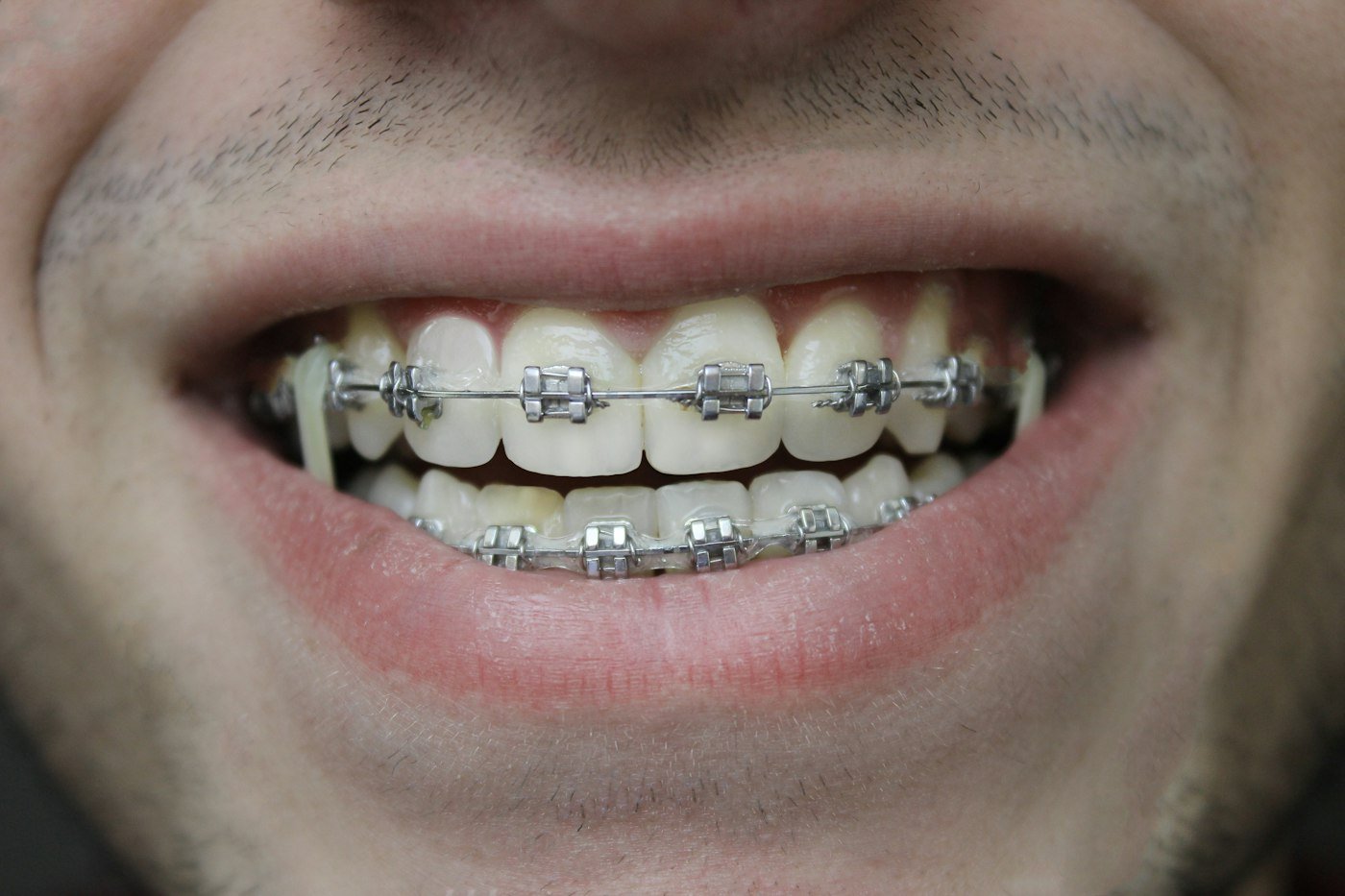
Cosmetic treatments work best in combination, considered together from the start. We map out shade, shape and timeline before touching a single tooth.
In-chair professional whitening uses a stronger, dentist-controlled formula than anything available over the counter, protected by a gum barrier so only the teeth are treated. Most patients see several shades of visible difference in a single 45–60 minute session, with take-home trays available to maintain the result.
Whitening works on natural tooth enamel — existing crowns, veneers or fillings won't change shade, which is worth knowing before a big event if you have visible dental work.
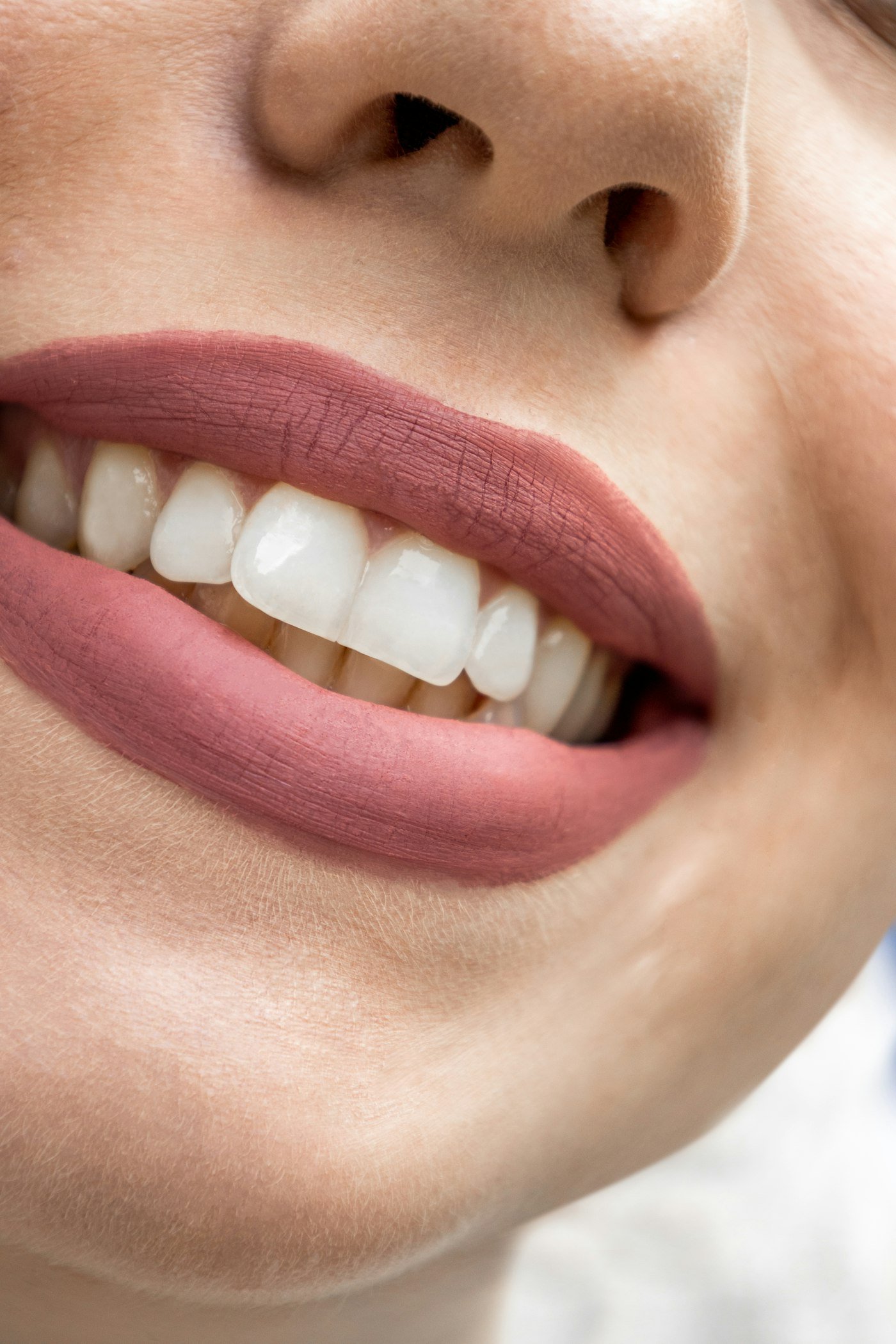
A veneer is a thin shell — porcelain or composite — bonded to the front surface of a tooth. It's the tool of choice for fixing shape, small gaps or chipped edges that whitening alone can't solve, and for building a symmetrical smile line across the front teeth.
Porcelain veneers are more stain-resistant and typically last longer (10+ years with care); composite veneers cost less and can be shaped in a single visit. We'll talk through the trade-off based on what you're trying to fix.
Bonding uses the same tooth-coloured composite as a white filling, sculpted freehand onto the tooth to close a small gap, rebuild a chipped corner, or even out a slightly uneven edge. No lab work, no impressions — most bonding is done and polished in under an hour.
It's not as long-lasting as a veneer (typically 4–8 years before a touch-up), which makes it a good lower-commitment option to test a change before considering something more permanent.
Bring a photo of a smile you like, or just come in — we'll show you the options that actually apply.